
AI smart home Singapore

Ageing in place, powered quietly by responsible AI.

Your parent wants to stay in the flat they love. You want to know they’re safe tonight without turning home into a hospital ward. K. S. Sembawang Digital Care Pte Ltd connects discreet sensors, helpful reminders and family alerts around the way Singapore households live.

If your parent lives alone in Pasir Panjang, Queenstown, Toa Payoh or Ang Mo Kio, long gaps between calls can feel heavy. Start with a setup that respects their routines and independence.

HDB-friendly installation Caregiver-authorised access Alerts, not diagnosis

Quiet support. Real independence.
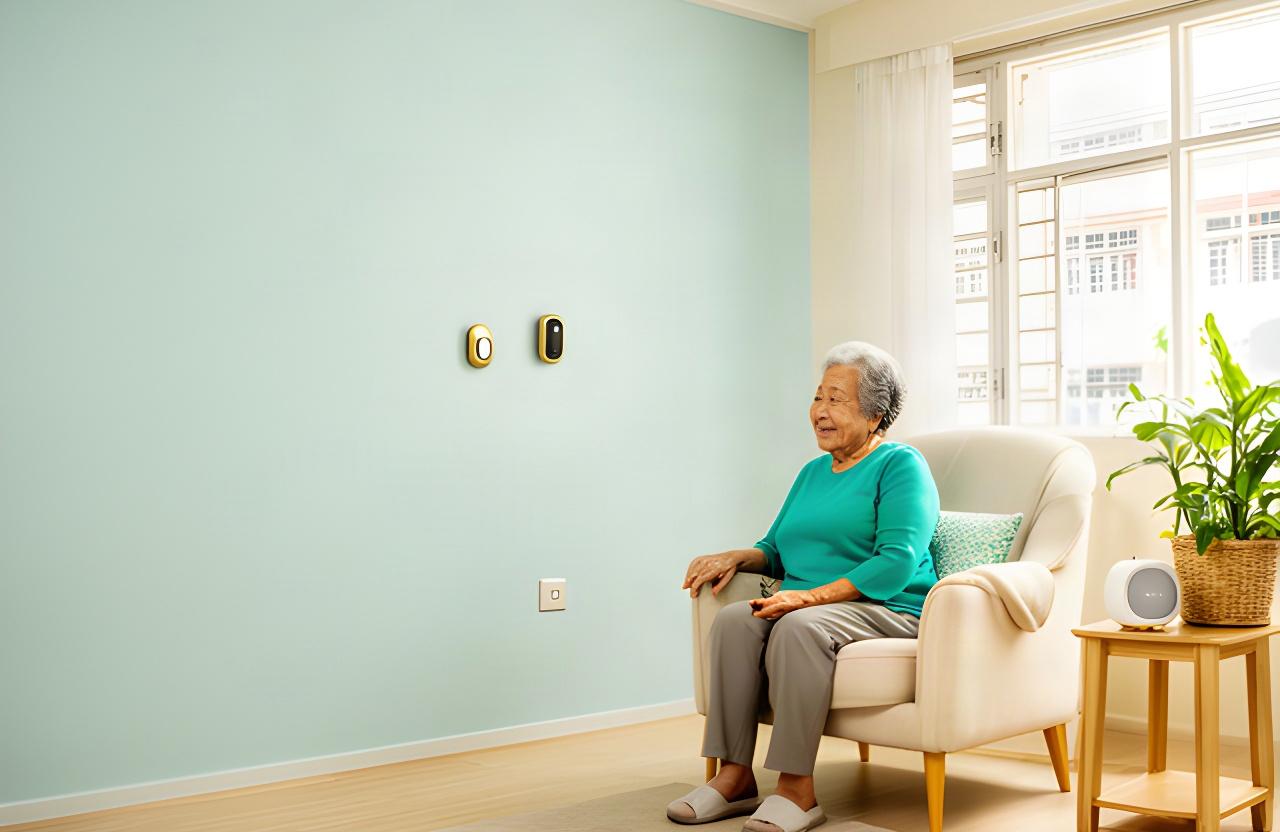
Older Singaporean woman using a voice assistant beside an armchair in a bright three-room HDB flat living room

Designed around home

Sensors can be planned for narrow corridors and bathroom approaches, with privacy zones agreed by the household.

Built in Singapore

Practical care technology for real homes.

Plans begin with your flat, your routines and the people who need to receive an alert. No inflated performance promises.

01 / HDB layouts

Recommendations account for one-room, three-room and larger flats.

02 / One dashboard

Caregiver alerts and household devices can be managed together.

03 / Clear access

The household agrees who sees activity information and when.

04 / Local support

The service team is based at Pasir Panjang Drive 8, Singapore.

Our data practices are designed around consent, limited access and Singapore privacy obligations. Ask us about data handling before choosing a setup.

Made for Singapore households

Solutions shaped around how families actually live.

Start with the daily friction. Then decide which technology belongs in the home.

01 / Living alone

Safety without a camera in every room.

A senior who values privacy may prefer discreet sensors and a clear way to ask for help. Detection can be planned for relevant routes, including narrow corridors and bathroom approaches.

  • Configure activity prompts and alerts around agreed routines.
  • Set an authorised contact path for a missed check-in.
Plan discreet monitoring

02 / Multigenerational flat

Make shared routines easier to manage.

In a resale flat with several generations, household controls and reminders can reduce small daily coordination tasks. Keep each person's access and preferences clear.

  • Connect selected lighting, routines and voice controls.
  • Set reminders that suit the resident's normal day.
Explore HDB setups

03 / Family at a distance

Stay informed across time zones.

Adult children living elsewhere can receive agreed alerts and activity summaries, instead of relying on a string of separate apps and repeated check-in calls.

  • Choose which relatives receive each type of notification.
  • Keep alerts distinct from medical advice or diagnosis.
See remote care options

04 / Care teams

Give staff a clearer picture between visits.

Active Ageing Centres and home-care agencies can discuss pilots around activity summaries, alert handling and staff workflows. Start with the care team's operating needs.

Talk about an organisation pilot

05 / Housing and care partners

Consider support before residents move in.

Assisted-living and housing developers can plan for senior-friendly technology with the household's consent and the practical limits of each unit in view.

Discuss a partner setup

A useful starting point

Find a starting setup for your flat.

Choose a few details to see what may be worth discussing. The result is a guide, not a diagnosis or a final quote.

01 / Flat type
02 / Who lives at home?
03 / What is the main concern?

No sensitive health details are needed for this guide. Privacy zones and caregiver access are agreed with the household.

Household scenarios

Care technology for the moments families remember.

These examples describe the kinds of problems a household may bring to an assessment. Each home needs its own plan.

Toa Payoh / Three-room flat

A safer route to the bathroom at night.

A family is concerned about an unsteady night-time routine. An assessment can review corridor and bathroom-approach sensor placement, then agree who receives an alert.

Focus

Sensor placement and response planning

See monitoring options

Ang Mo Kio / Family home

Fewer daily calls to coordinate reminders.

Siblings sharing care responsibilities can consider voice prompts, agreed routines and a common alert view to reduce repeated phone coordination.

Focus

Shared routines and caregiver access

Explore remote care

Home-care pilot / Singapore

Make alerts useful between home visits.

A care organisation can review what staff need to know, how an alert is escalated and which activity summaries belong in its workflow.

Focus

Team workflow and alert clarity

Discuss an organisation pilot

The installation plan

From first call to a calmer household in five clear steps.

You’ll know what happens next. No surprise add-ons.

01

Assess

Talk through mobility, routines, floor plan and family concerns.

02

Recommend

Review a tailored device proposal with clear scope and costs.

03

Install

Set up and test the agreed devices with HDB constraints in mind.

04

Onboard

Show caregivers how alerts, access and escalation paths work.

05

Review

Adjust the setup when routines or care needs change.

Smart-home engineers

Plan device placement around the actual flat.

Ageing-in-place advisors

Keep daily routines and independence in view.

Care experience designers

Make prompts and alerts easier to understand.

Responsible AI reviewers

Review consent, access and alert wording.

People behind the setup

Engineers, care advisors and gerontechnology specialists.

A sensor plan should make sense in a narrow corridor. A family alert should say what happened, not imply a medical diagnosis. Our team brings these practical details into the same conversation.

Every setup is reviewed around household consent, data minimisation and access permissions. Families decide which zones are private and who can see activity information.

Read about our approach

Family and care-team perspectives

What people want from support at home.

Every household chooses its own balance between privacy, reminders and alerts.

“
“I wanted to know when Mum needed help, without putting cameras in her home. Agreeing the privacy zones together made the setup feel right for her.”

Vency Ektiyar

Daughter, Bedok

“
“Our family was relying on separate reminders and a lot of calls. The assessment helped us decide which routines mattered and who should receive each alert. We started with a small set of devices, then reviewed the arrangement after using it at home.”

小华 Gu

Family caregiver, Clementi

A question from a care team

Why did we choose K. S. Sembawang Digital Care Pte Ltd?

“Because we could discuss the alert workflow before choosing devices. Our staff needed a clear escalation path and a way to explain privacy to residents.”

Abhinav Nasalgnid

Care coordinator, Singapore

Ready to discuss your household’s needs? Arrange an assessment.

Before you decide

Questions Singapore families ask before they commit.

01How can fall detection work without cameras?
Depending on the chosen devices, movement or presence sensors can detect activity patterns without recording video. During an assessment, the team can discuss sensor placement for corridors and bathroom approaches, along with zones the household wants to keep private.
02What happens when an alert is triggered?
The alert follows the contact and escalation path agreed during setup. The household decides which authorised caregiver is notified first and what follow-up should happen if they cannot respond.
03Are alerts a medical diagnosis?
No. Alerts are notifications about detected events or activity patterns. They do not diagnose a condition or replace advice from a qualified healthcare professional.
04Can devices be installed in an HDB or rental flat?
The team reviews the flat, device requirements and any landlord or household restrictions first. Installation methods depend on the selected equipment; the proposal will explain whether drilling or other changes are needed.
05How are costs and changes to a package handled?
Costs depend on the devices, installation scope and support required. You’ll receive a proposal with the agreed scope before proceeding. If needs change after hospitalisation or a change in living arrangements, ask the team to review the setup.
06Who can see activity information?
Caregiver access is authorised by the household and should be limited to the people who need it. Ask about access controls, data retention and consent records during your assessment so these details are clear before installation.

Make a plan that fits home

Book a smart home assessment for your household.

Talk through safety, independence and family concerns. We’ll review the flat, discuss privacy settings and propose clear next steps.

HDB-friendly planning. Privacy-first configuration.

Book an assessment +65 9070 5444 Email [email protected]

Our service team is based at Pasir Panjang Drive 8, Singapore. After you enquire, we’ll arrange a needs conversation and share a proposal with clear next steps.